The Best Snorkeling Spots in Bali and Nusa Penida
The Best Snorkeling Spots in Bali and Nusa Penida
You may have known Bali for its natur...
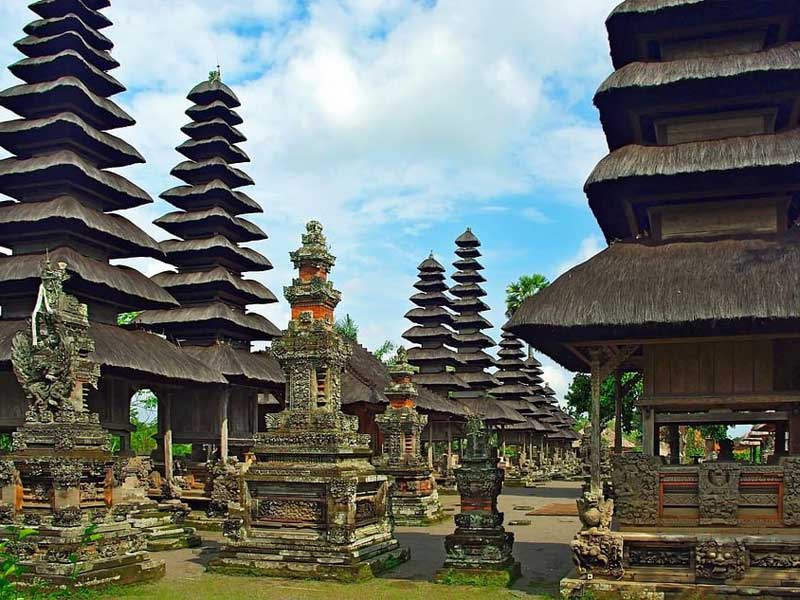
A must-see tourist destination in Bali is Taman Ayun Temple, built in 1634 as a historical landmark that charms tourists with its traditional aesthetics. The Mengwi Village Temple is located in Badung Regency, along the main road between Denpasar and Singaraja. It is less crowded than other temples nearby, so it is ideal for day trips from Ubud or Canggu.
The Taman Ayun Temple is located in Mengwi Village of Badung Regency, about 18km northeast of Denpasar Town and strategically located along the main road connecting Denpasar and Singaraja. A must-see when traveling through Bali’s Mengwi empire, the Mengwi family temple is one of six royal temples considered important by Balinese culture.
There are four divisions within the temple complex, the outer one (Jaba Pura) being accessible via a bridge over the main pond, which contains a fountain and a small guardian shrine. A separate division (Jaba Tengah) has a fountain and pond that look like artificial water rings from a distance, as well as a temple dedicated to the God Dewa Nawa Sanga.
The temple’s main area (Jeroan) features a terraced roof, which houses the sacred Meru shrine, surrounded by a pond and garden filled with blooming flowers. Several courtyards and enclosures of the temple complex are influenced by Chinese architecture. A large and open first courtyard surrounds the inner court with a multi-tiered shrine. The surrounding gardens feature lotus ponds and fish ponds – a must-see when visiting Bali! It was officially listed as a World Heritage site in 2012 by UNESCO.
Taman Ayun Temple is one of the top tourist spots on the island and is one of the main attractions. It dates back to the Mengwi Kingdom’s rule over Badung Regency.Ayun Temple was built in 1634 and features stunning traditional architectural features throughout its courtyards and enclosures, as well as extensive garden landscapes with lotus ponds.
The complex is divided into three sections, each representing a different aspect of Balinese Hindu cosmology. A guardian shrine and large ‘wantilan’ hall for community meetings and gatherings are located here, along with a tall fountain with four spouts pointing in different directions.
More than just its central temple, the complex contains other structures that provide insight into ancient Balinese culture and reveal the rich cultural history and marvellous architecture of Balinese society. This complex is an excellent way to learn about and appreciate this fascinating island nation!
As with many of Bali’s important temples, Taman Ayun Temple should be experienced through guided tours for optimal experience and convenience. Without having to find their own guides, tour operators offer convenient and cost-effective ways to explore this site. An expert guide leads the tour from your hotel and can answer any questions you have. You can also book a Bali private tour for an even more personalized experience.
As one of Bali’s iconic landmarks, Taman Ayun Temple attracts hundreds of thousands of visitors annually and has been listed by UNESCO as a cultural world heritage site since 2012. This temple’s name literally means “beautiful garden”, which fits its lush lawns and various plants and flowers perfectly.
One of Bali’s most popular attractions is the Tana Ayun Temple, which is particularly popular with visitors from Europe and Asia. Its breathtaking architecture displays traditional Balinese architectural features; its outer court boasts beautiful lotus-filled ponds; while its inner courtyard boasts many meru towers.
Built in 1634 by Raja of Mengwi dynasty to honour their noble ancestors, this temple stands out with its ornate entrance leading to an ornamented gateway and fountain spouting water from nine jets. Temple complexes usually consist of four divisions, each of which serves a specific function. The outer division, Jaba, can be reached via bridge to reach inner courts (Nista Mandala). Here stands a fountain emitting water stream towards all cardinal directions.
Temple grounds feature an inviting pond containing ancient carvings and sculptures as well as an expansive algae-filled moat. This temple provides the perfect venue for witnessing traditional Balinese ceremonies related to human life from conception through death. Also nearby is Manusa Yadnya Museum, which educates visitors on Balinese culture and fertility rituals involved with giving birth.
Temple hours of operation range from 08:00 to 18:15 daily, however the best time for visiting is during Balinese festivals or New Year celebrations – make sure you wear a sarong and avoid taking photos in front of worshipers during such visits!

Taman Ayun Temple or Pura Taman Ayun in Indonesian is one of six royal temples on Bali and also a national heritage site. Constructed in 1634 by Mengwi King Tjokerda Sakti Blambangan as an offering to his ancestors’ memory, today it serves as an extremely popular tourist attraction and one of Bali’s largest temples.
The complex is composed of three grounds that represent the three cosmological levels in Balinese Hinduism: heaven (suarga); gods and deities’ world (buwah); and hell (bhur). The first ground features lotus ponds and fountains while another represents earthly realm with pagodas; finally there is celestial realms to complete the picture.
Taman Ayun Temple’s entire complex represents Mount Mahameru stirring the sea of milk during creation of the universe, according to ancient texts called Adhiparwa. This mythological tale has deep roots in Bali’s traditional belief system and can also be seen reflected in its architecture with pagodas, towering tiers and vast pools surrounding its perimeters.
Taman Ayun Temple stands out with its exquisite architectural structure, as well as being revered as a holy site by worshippers. Visitors flock to this breathtaking site. The surrounding scenery provides stunning backdrop.
Taman Ayun Temple in Bali is widely recognized as one of the most breathtaking and spiritual religious sites, drawing visitors all year. Though renovated several times, its traditional charm remains intact – this must-see attraction should be on every traveller’s agenda when visiting this incredible island nation!
Taman Ayun Temple, also known as the Royal Temple of Mengwi, is an iconic landmark and one of Bali’s premier tourist attractions. Conveniently situated within Mengwi village, this impressive complex can be reached via private car or public transport from Denpasar.
Mengwi Temple stands out with its towering temple shrines that represent Mengwi’s reverence for their deified ancestors, as well as being an integral symbol of its royalty and kingdom. Additionally, this complex served as a primary place of worship for Mengwi’s population without having to travel too far for services at important temples like Besakih ‘Mother Temple’ in Karangasem or Batukaru Temple in Tabanan.
Exploring this temple grounds should be on every visitor’s agenda while in Bali. With its waterways encasing its complex and the many structures and architectural details to discover, a visit here will not disappoint!
Experience Taman Ayun Temple like never before on a guided tour, featuring your own private guide who can answer all your questions about it and optimize your visit. The top Taman Ayun tours provide hotel pickup/dropoff as well as expert tour guides who are on hand to answer them all!
Your guide will begin your tour by providing you with an introduction to the temple’s history before leading a guided tour through its grounds and spectacular architecture and stunning gardens, including an eye-catching lotus flower pond.
Manusa Yadnya Museum is another must-visit attraction, as it displays Balinese ceremonies and traditions associated with human life from birth until death. Experience its vibrant culture while learning more about its rich history!
You may have known Bali for its natur...
An iconic Ubud attraction and one of Bali’s most Instagrammable spots, Tegalalang Rice Terr...
Nusa Penida, an island located just off Bali’s southeastern coast, is a hidden gem that sho...
Tegenungan Waterfall is a hidden gem in Bali that is easily accessible from Read more...